
FOR IMMEDIATE RELEASE November 21, 2018 Contact: Andrew Jerome, 202.314.3106 ajerome@nfudc.org WASHINGTON – Farmers and ranchers take home just 11.3 cents from every dollar that consumers spend on their Thanksgiving dinner meals, according to the annual Thanksgiving edition of the National Farmers Union (NFU) Farmer’s Share publication. The popular Thanksgiving Farmer’s Share compares the retail … Read More
So TAN Guidance Isn’t Legally Binding…Now What?
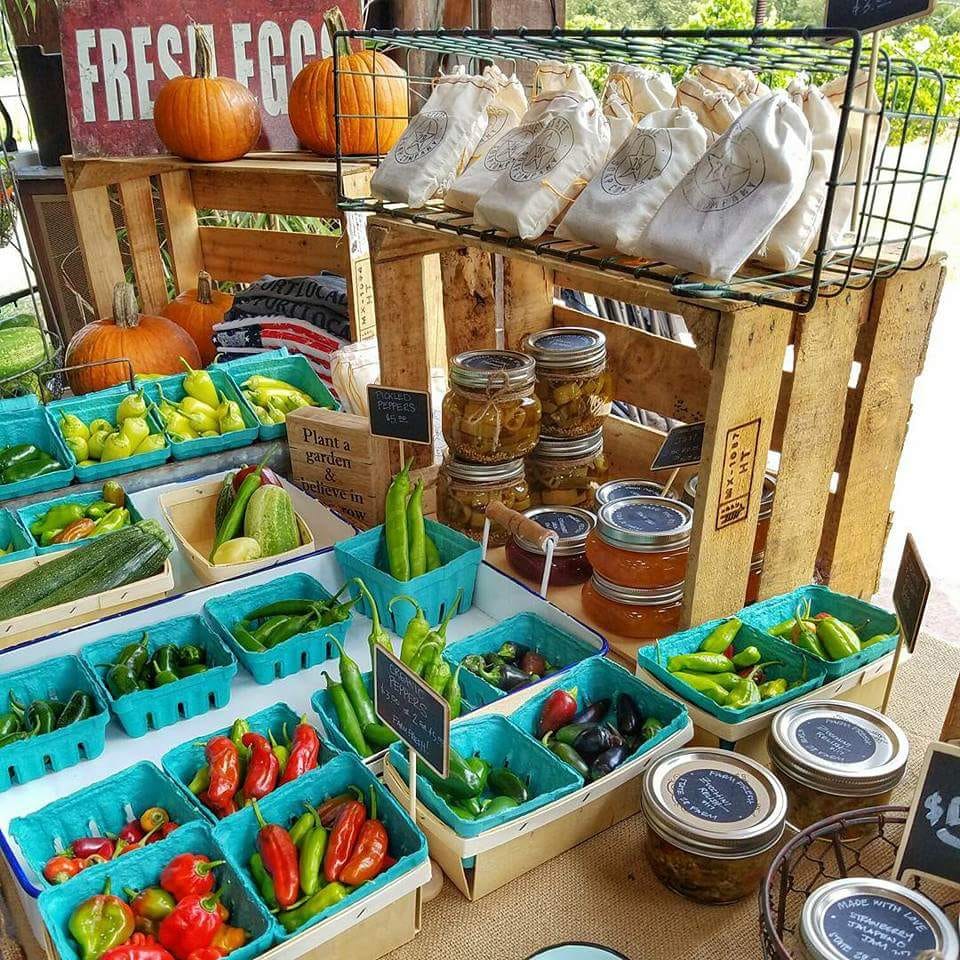
By Sarah Vaile, Research Attorney, Farm Commons The Technical Assistance Network , otherwise known as “TAN,” are the people over at FDA whose job it is to help you understand the Food Safety Modernization Act (FSMA). But, what if I tell you that the guidance TAN offers is not legally-binding? You may be surprised, but it’s … Read More
Over 200 Farm, Food and Rural Groups Endorse Agribusiness Merger Moratorium Bills
FOR IMMEDIATE RELEASE November 1, 2018 WASHINGTON — Today, a broad-based coalition of 213 farm, food, rural, faith and consumer advocacy organizations delivered a letter to Congress endorsing food and agribusiness merger moratorium bills and urging members of the House and Senate to cosponsor the legislation. Senator Cory Booker (D-NJ) and Representative Mark Pocan (D-WI) … Read More
Markets and Infrastructure: The Montgomery Farm Women’s Cooperative Market
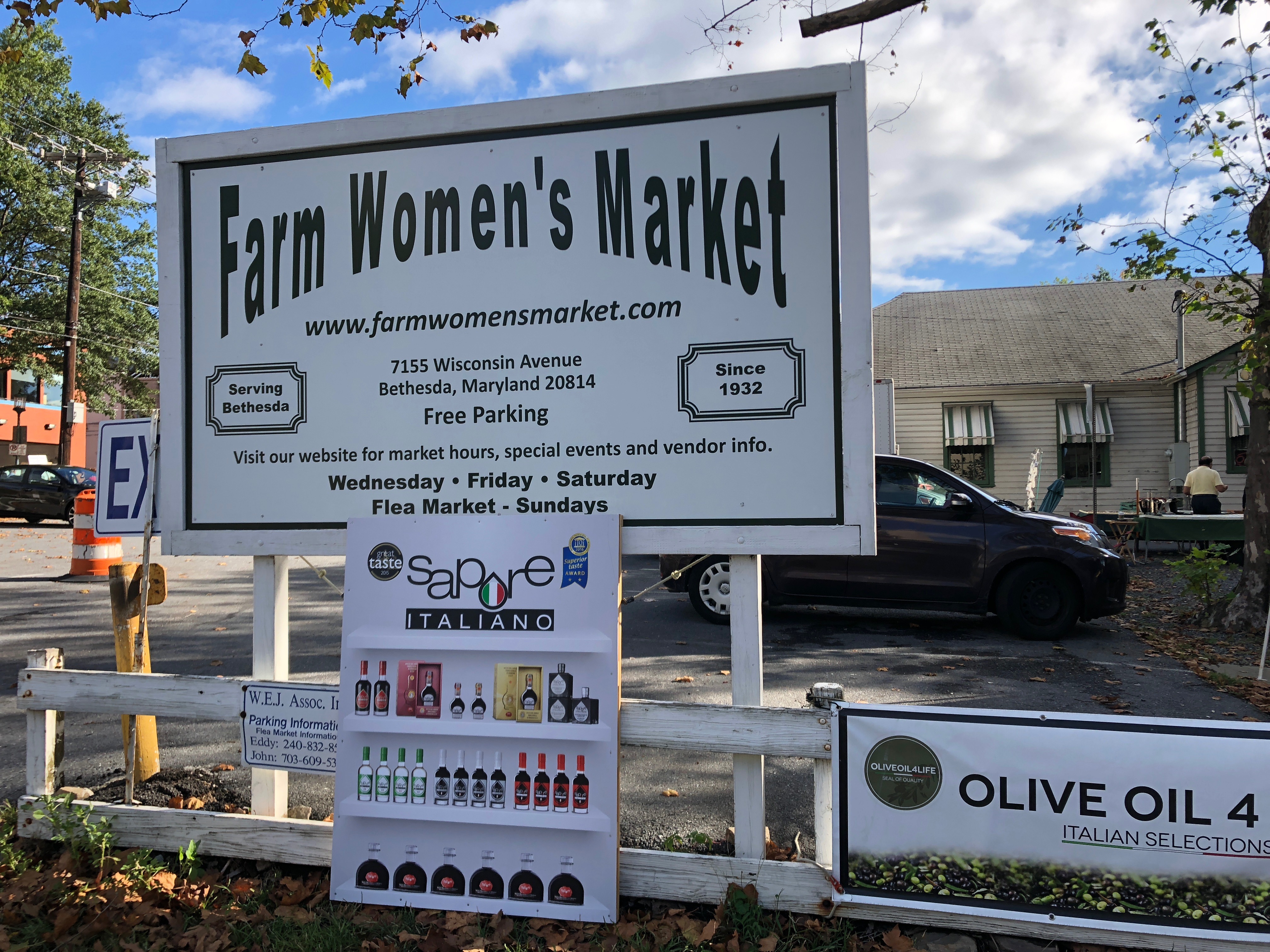
By Liza Ayres, NFU Intern The Montgomery Farm Women’s Cooperative Market is a landmark on Bethesda’s Wisconsin Avenue. For decades, it has not only served as a hub for residents looking to purchase fresh produce and artisanal products but has also represented Montgomery County’s abundant agricultural history and continued support of local farmers. Amid the Great … Read More
NFU Urges Administration to Honor Commitment to Biofuels
FOR IMMEDIATE RELEASE October 29, 2018 Contact: Hannah Packman, 202-554-1600 hpackman@nfudc.org WASHINGTON – Throughout his campaign for and tenure as president, Donald Trump has consistently pledged to support American-grown biofuels. However, his administration has too often failed to follow through on those promises in a timely fashion. In the most recent of such instances, President … Read More
FSMA Readiness: Physical and Chemical Risks

By Liza Ayres, LFSC Intern, National Farmers Union Farming inevitably presents produce safety risks, but increased knowledge and action can help farmers reduce liabilities and maintain successful operations. Previous blogs in this series explained the biological risks that can occur due to bacterial growth or other pathogens, but because food safety hazards can take a … Read More
Confronting Consolidation: How Congress Proposes to Fight Mergers in Ag
By Liza Ayres, NFU Intern Consolidation has long been one of the greatest challenges for family farmers and ranchers. Agribusiness mergers reduce innovation, limit choice and increase prices for farming inputs and make it increasingly difficult for farmers to receive a fair price at market. A selective group of firms dominate the processing of every … Read More
FSMA Readiness: Produce Safety Risks from Parasites
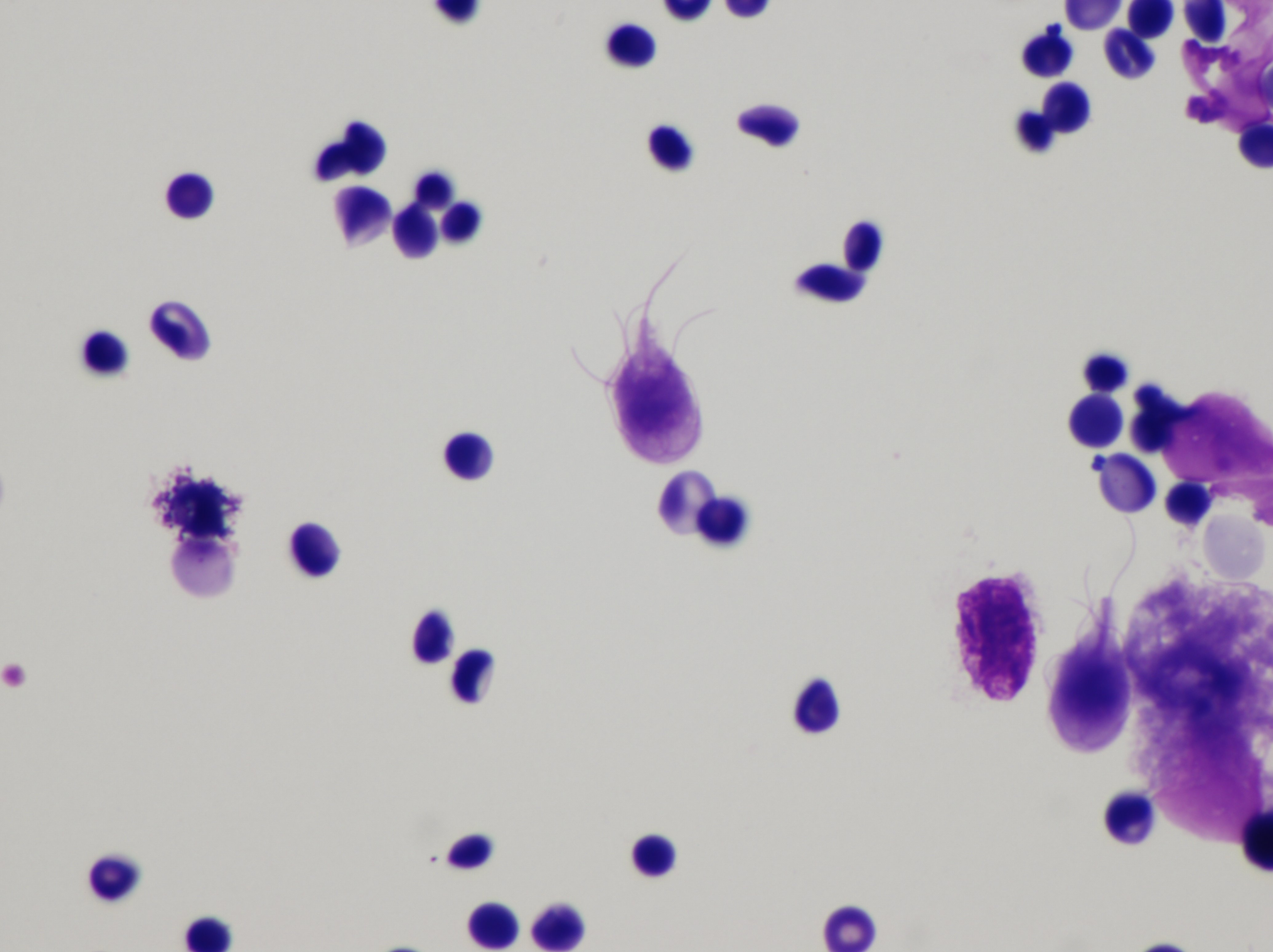
By Jake Stukenberg, LFSC Intern, National Farmers Union After discussion of bacteria and viruses we’ll be wrapping up the types of biological hazards that the FSMA Produce Safety Rule covers today. The third type of pathogen that the Produce Safety Rule aims to reduce is parasites. Parasites are protozoa or intestinal worms that can only … Read More
Skills and Knowledge: Succession Planning
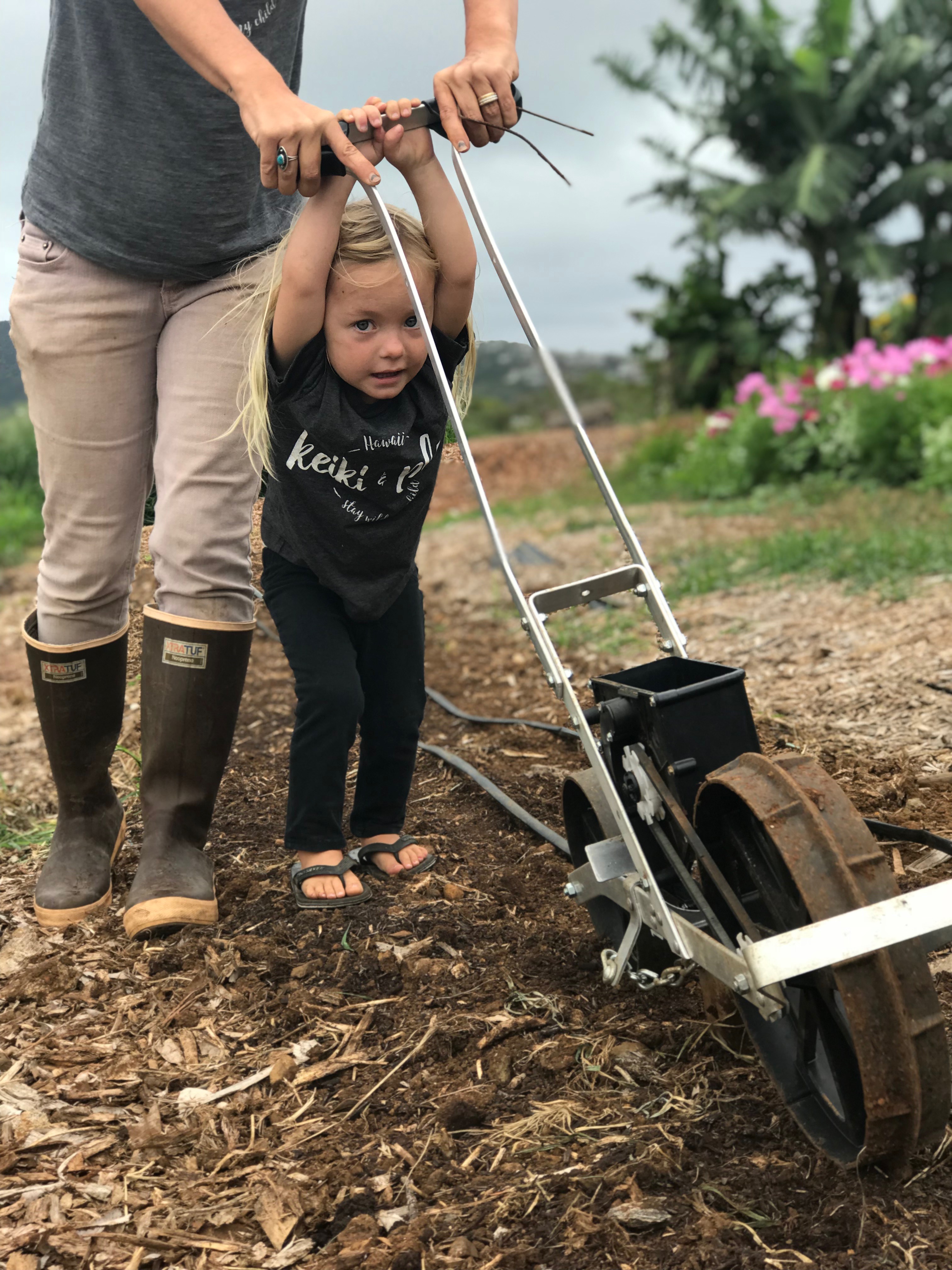
By Sophie Neems, Communications Specialist at Farm Credit Succession planning is a delicate business; few people get excited to come to terms with mortality and create a plan for how land and personal assets will be passed from one generation to the next. However, succession planning is about more than just that. It is about … Read More
FSMA Readiness: Produce Safety Risks from Viruses

By Jake Stukenberg, LFSC Intern, National Farmers Union When it comes to produce safety, much of the risk is caused by things a grower could never see with the naked eye. Last week we talked about the risks bacteria pose to produce and strategies to reduce the risks associated with them. This week we’re moving … Read More