Access to Markets: Farm to School
October 24, 2017Beginning Farmers

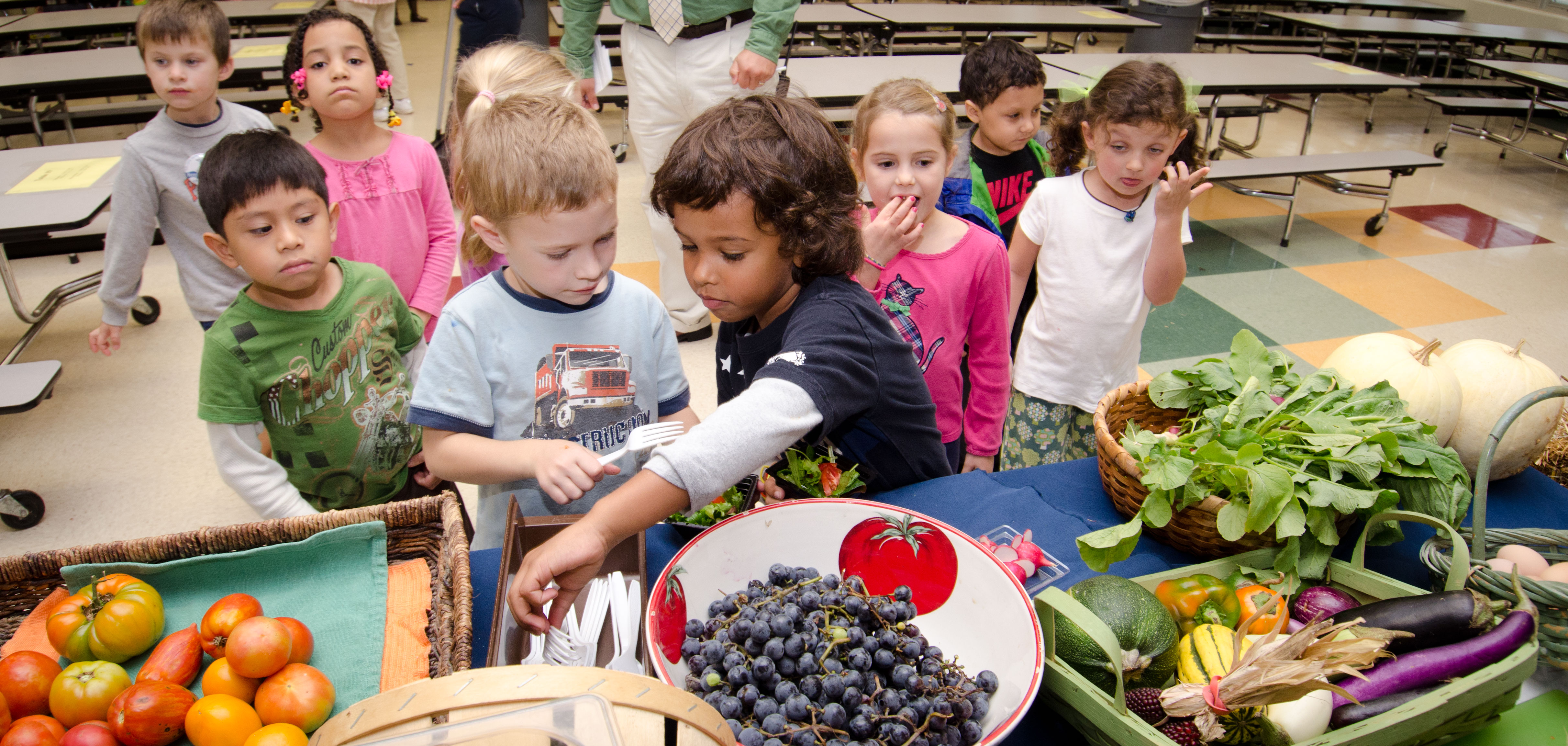
By Tom Driscoll, Director of NFU Foundation and Conservation Policy A growing interest in local and regional food offers lucrative opportunities for beginning farmers, and growing farm products for these markets often require a less significant investment in land and equipment than other production methods would. However, direct-to-consumer sales do require that farmers spend a … Read More

What Do Farmers Need to Know About Climate Change? New York Climate Smart Communities Certification

October 23, 2017Climate Column

By Tom Driscoll, Director of Conservation Policy and NFU Foundation The Climate Column has covered practices that allow farmers to reduce emissions and sink carbon into their soil, like no-till, as well as methods that help farmers secure the food system by adapting to the changing climate, like intercropping. As the harmful consequences of climate change increase, … Read More

Access To Markets: Virginia Grown and State Labels 

October 11, 2017Beginning Farmers

By Tom Driscoll, Director of NFU Foundation and Conservation Policy The market for local and regional food is an important one for beginning producers. A January 2015 report to Congress issued by U.S. Department of Agriculture (USDA) Economic Research Service (ERS) notes that “producer participation in local food systems is growing, and the value of local food sales…appears to be … Read More

Access to Capital: Farm Ownership Loans

October 4, 2017Beginning Farmers

By Natalie Grote, NFU Intern The U.S. Department of Agriculture’s Farm Service Agency (FSA) offers both direct ownership loans as well as guarantees for ownership loans from private banks. Direct loans have lower income requirements and generally do not require as extensive farm practice as private loans. Additionally, unlike most private lenders, FSA will work … Read More

What Do Farmers Need to Know About Climate Change? EQIP

October 2, 2017Climate Column

By Tom Driscoll, Director of NFU Foundation and Conservation Policy On the Climate Column, we have discussed many conservation practices, such as cover crops and stripcropping, that help farmers mitigate climate change, either by reducing emissions related to farming or by storing carbon in the soil. Many of these practices not only cut carbon emissions, but they … Read More

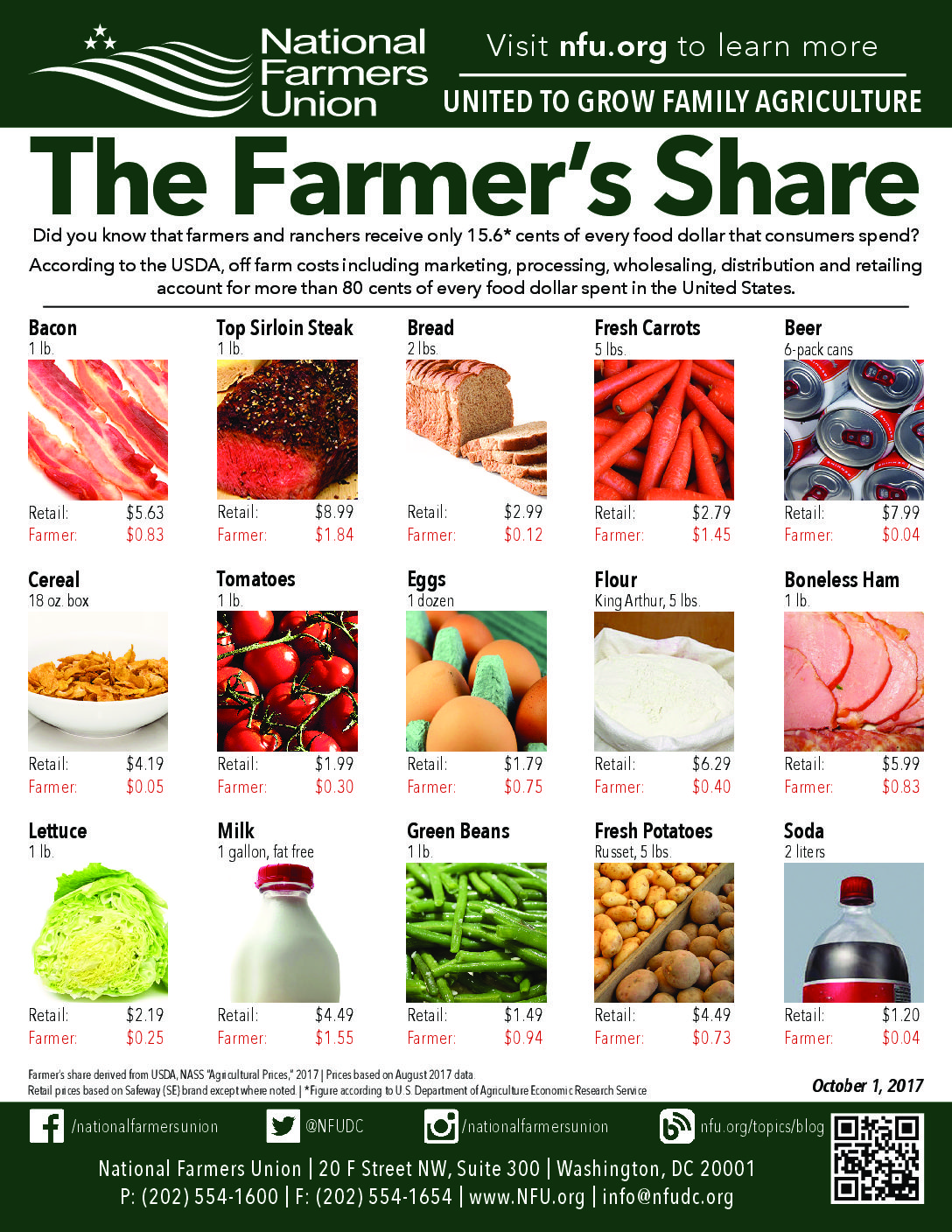
Farmers Receive Less Than Sixteen Cents of the American Food Dollar

September 22, 2017Blog

By Alexis Dunnum, NFU Executive Assistant Walking through a grocery store can sometimes be overwhelming. With hundreds of different foods, all with different packaging, flavors and prices, it’s hard to stick to buying only the items on your grocery list. And even if you shop on a budget and limit impulse purchases, when you finally … Read More

Access to Efficiency: Soil Health Cuts Carbon and Input Costs

September 19, 2017Beginning Farmers

By Tom Driscoll, Director of NFU Foundation and Conservation Policy, & Hannah Packman, NFU Communications Coordinator It’s the second day of Climate Week NYC, an event dedicated to keeping climate action at the top of the global agenda, making the discussion of agriculture and sustainability particularly apropos. Farmers and ranchers maintain vast potential to mitigate … Read More

What Do Farmers Need to Know About Climate Change? Low-Carbon Transportation Future

September 18, 2017Climate Column

By Tom Driscoll, Director of NFU Foundation and Conservation Policy This week is Climate Week in New York City. Georgetown Climate Center invited me to represent National Farmers Union (NFU) to their Low-Carbon Transportation Policy Symposium, where I’ll discuss business opportunities in low-carbon transportation. Producers and rural communities will benefit from expanded use of biofuels … Read More

From the Field: Put Your Head Down and Keep Going

September 14, 2017From the Field

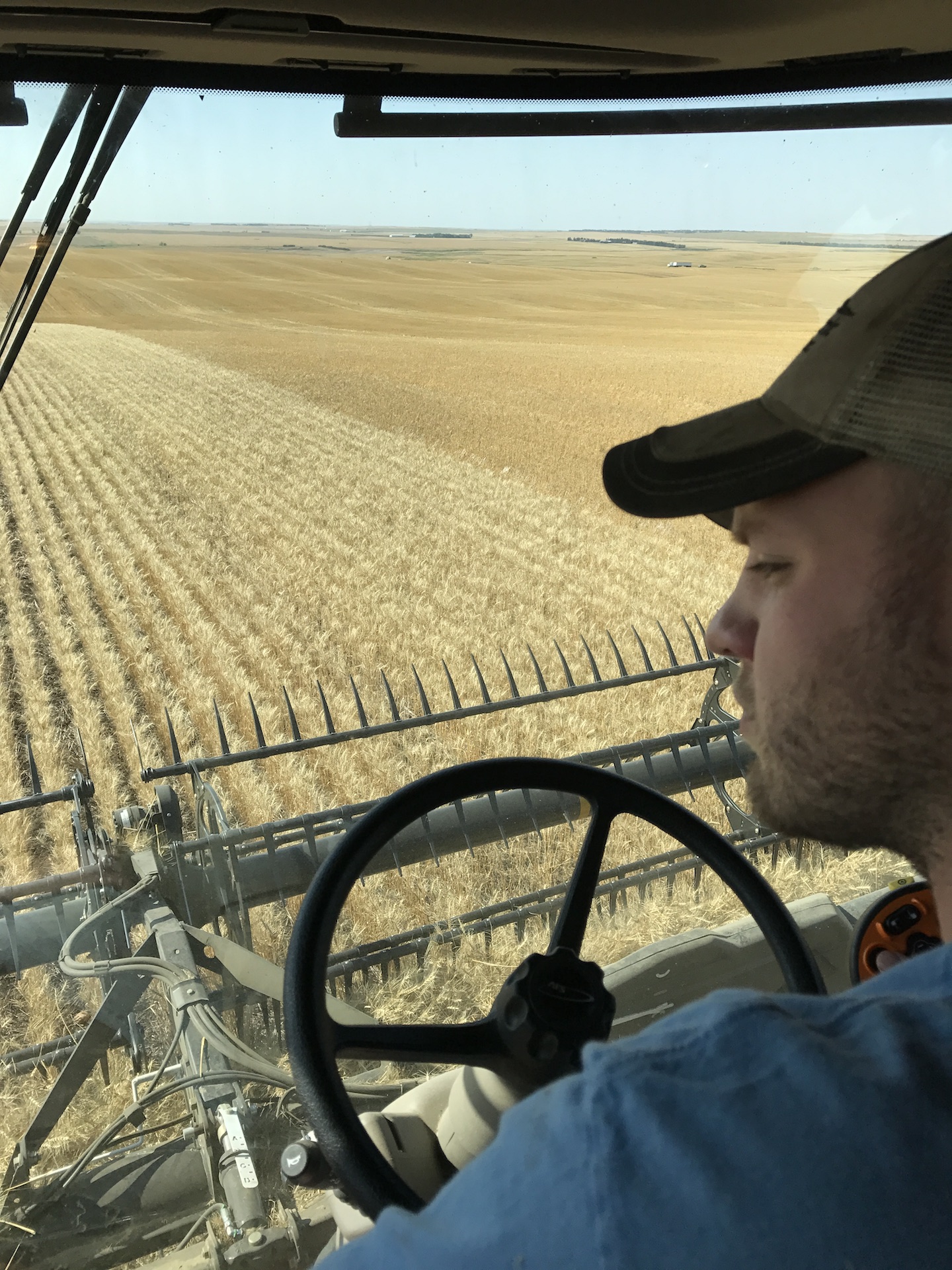
By Matt Perdue, NFU Government Relations Representative The harvest season is a special time of year for farmers. It’s their opportunity to, quite literally, reap the rewards of months spent working long hours in the fields, nervously tracking weather patterns, and precariously balancing finances. But for many farms across the drought-stricken Upper Great Plains, 2017 … Read More