By Tom Driscoll, Director of NFU Foundation and Conservation Policy NFU’s Climate Column has covered a number of farming practices, including conservation tillage and rotational grazing, that can help farmers increase profits by saving money on inputs, energy, and labor. Beginning farmers can receive assistance to implement such practices, as well as incentive payments for the environmental benefits … Read More
Blog
What Can Farmers Do About Climate Change? Adapted Seeds
By Tom Driscoll, Director of Conservation Policy and NFU Foundation As we’ve noted on the Climate Column, climate change will disturb the precipitation patterns and temperatures on which farmers rely to grow crops. Farmers will need to adapt to these changes by implementing new practices and readjusting old ones. One option is selecting seeds for staple crops – … Read More
Access to Markets: Rural Development Grants
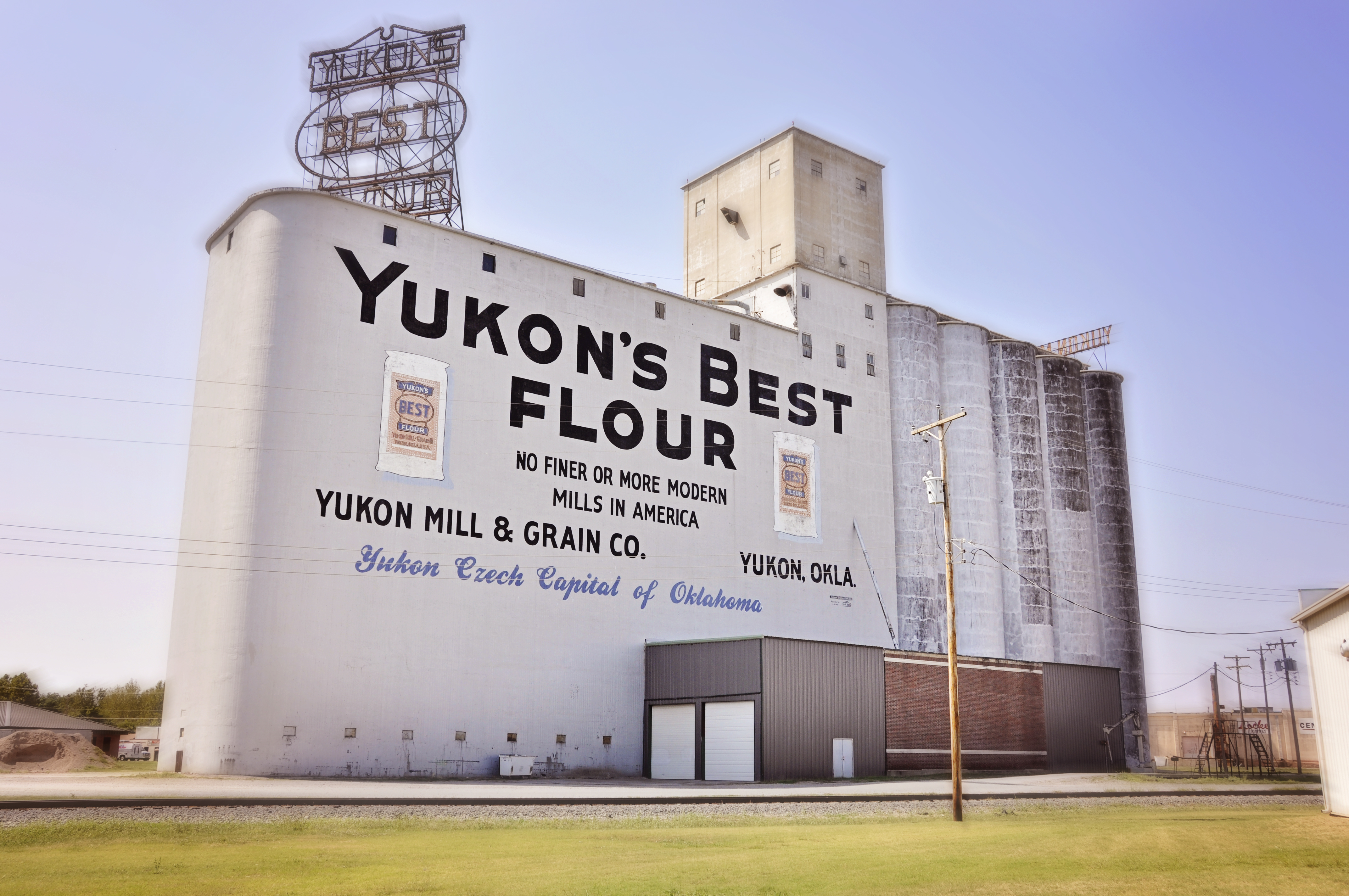
By Tom Driscoll, Director of NFU Foundation and Conservation Policy As we discussed last week on the Beginning Farmer Forum, the business infrastructure – such as federally-inspected livestock processing facilities for smaller orders and mills that service demand for local feed or flour – that would help beginning farmers connect with emerging markets often doesn’t exist … Read More
What Do Farmers Need to Know About Climate Change? California Air Resources Board Cap-and-Trade Program
By Tom Driscoll, Director of Conservation Policy and NFU Foundation Farming is one of the few professions with the ability to not only reduce ongoing greenhouse gas (GHG) emissions, but to also remove existing GHGs from the atmosphere. National Farmers Union supports policies and programs that maximize agriculture’s GHG elimination potential by offering value to farmers … Read More
Access To Markets: Business & Industry Loan Guarantees
By Tom Driscoll, Director of NFU Foundation and Conservation Policy As we’ve discussed here on the Beginning Farmer Forum, access to markets is among the greatest challenges for new producers. Oftentimes, beginning farmers face fewer obstacles in emerging markets than in well-established ones. For example, beginning farmers may be able to grow products appropriate for local and … Read More
What Do Farmers Need to Know About Climate Change? Credit Stacking and Water Quality Trading
By Tom Driscoll, Director of Conservation Policy and NFU Foundation Environmental markets, in addition to being science based, quantifiable, innovative, and permanent, will have to offer farmers adequate incentives to adopt new conservation practices. Cases in which a single practice achieves more than one quantifiable environmental benefit, verifiably reducing more than one pollutant, payments for credits … Read More
Access to Markets: Homegrown by Heroes
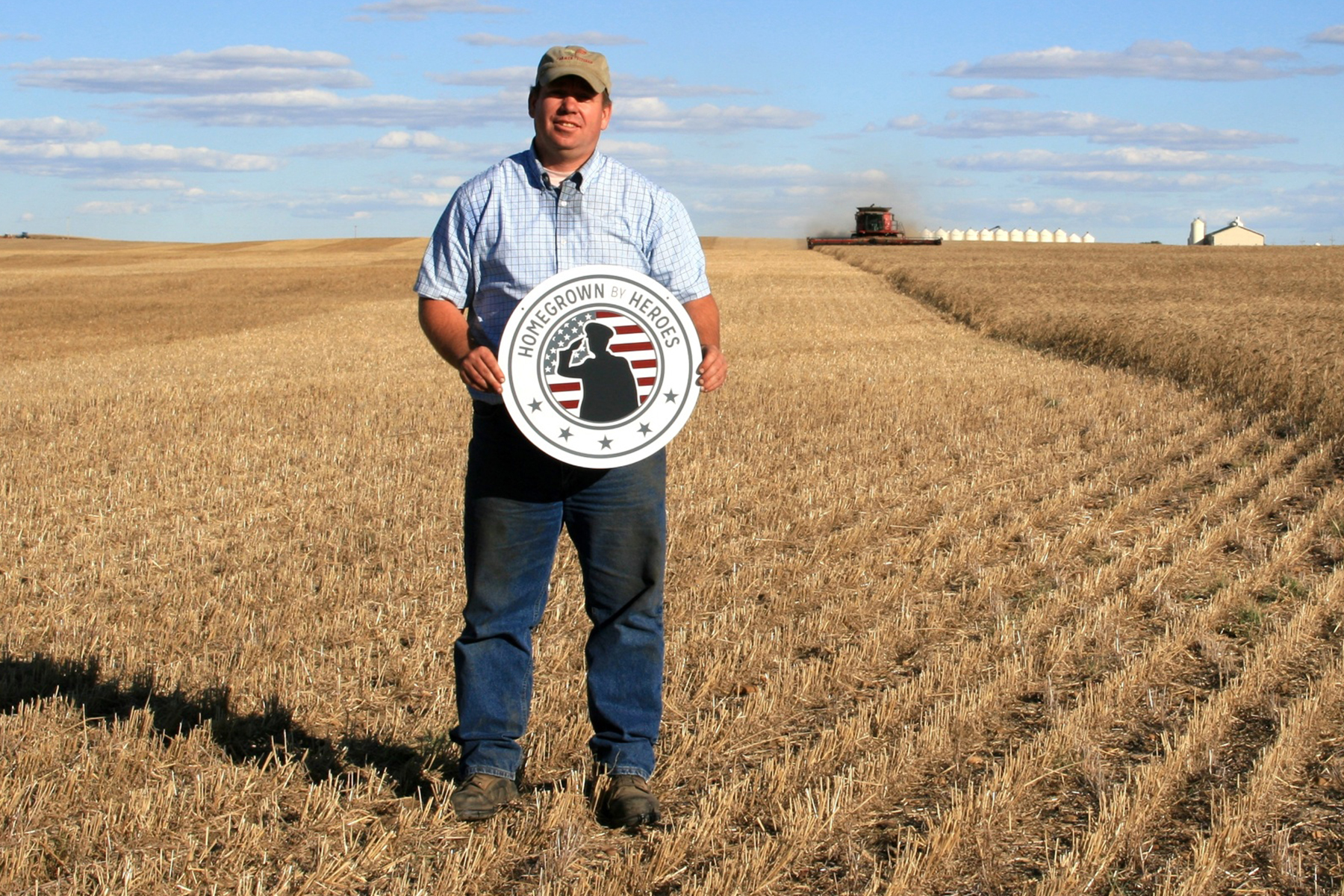
By Natalie Grote, NFU Intern Many veterans, upon returning home from serving our country, discover a newfound passion for farming or ranching. After putting in hours of hard work to start their operations, farmer veterans are often determined to both make a living as well as bolster their local economies by selling their homemade products, … Read More
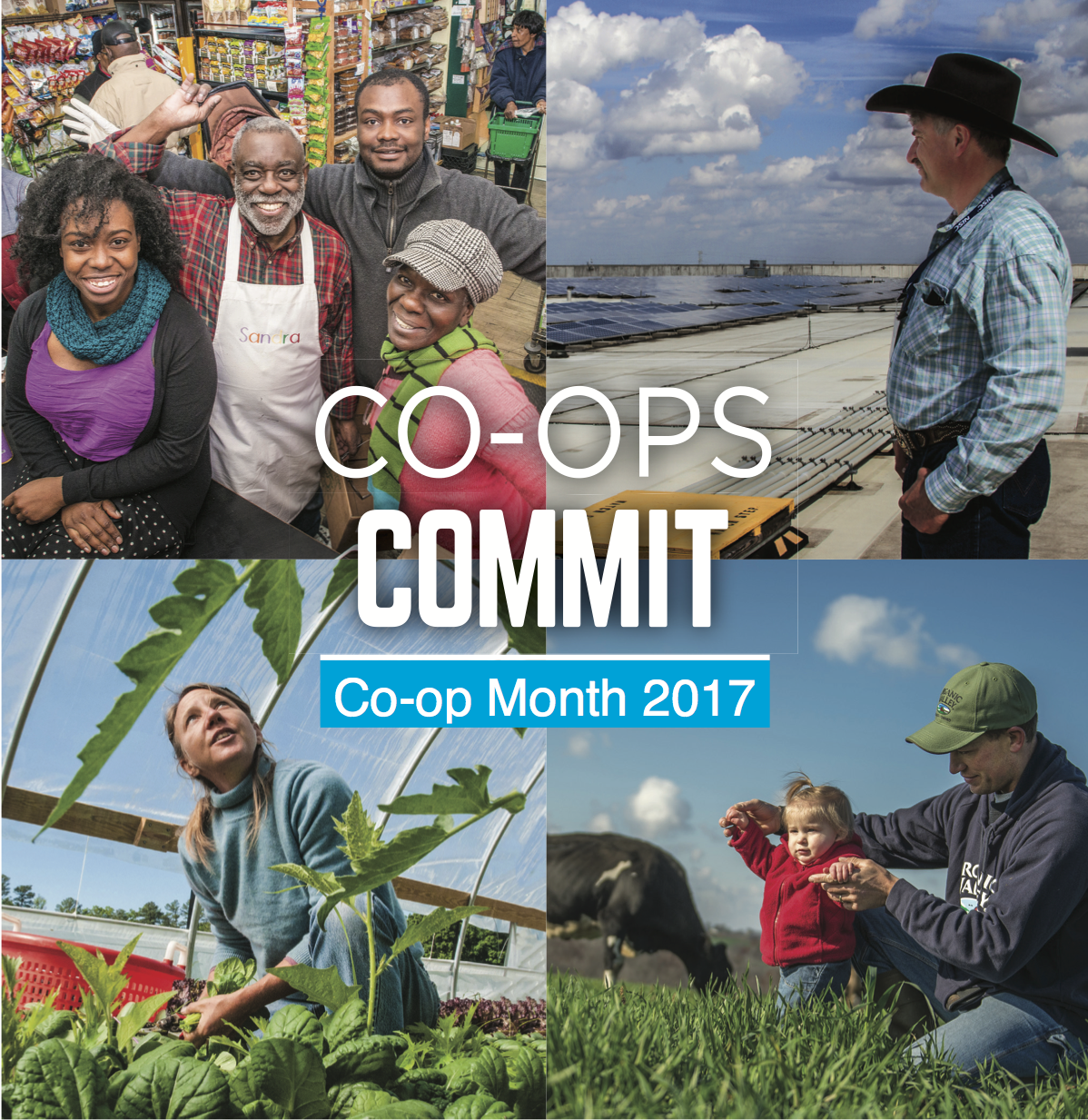
Cooperatives Build A Better World
By Cathy Statz, Wisconsin Farmers Union Education Director A mobile home park resident. A dairy farmer. A college student. A produce grower. A home care worker. A hardware store owner. What do these people all have in common? Each is the owner of a business called a cooperative. Many of us in rural America are familiar … Read More
What Do Farmers Need to Know About Climate Change? COMET-Farm
By Tom Driscoll, Director of Conservation Policy and NFU Foundation Farmers are a key participant in mitigating climate change. Agriculture is one of a few sectors that can sink existing atmospheric greenhouse gasses (GHGs) as well as reduce emissions moving forward. Environmental markets could compensate farmers for natural resource conservation benefits achieved on their land. A … Read More
Farmers Union Celebrates National Cooperative Month
October is National Cooperative Month, a time when more than 29,000 cooperatives across the country advocate for the cooperative business model and its myriad benefits for co-op members, consumers, and local communities. Cooperatives are of particular importance in rural America, where they have offered both political and economic sovereignty for over a century. Farmers Union’s roots … Read More